AI Creations and Copyrights: Global Guidelines for Commercial Use 2026
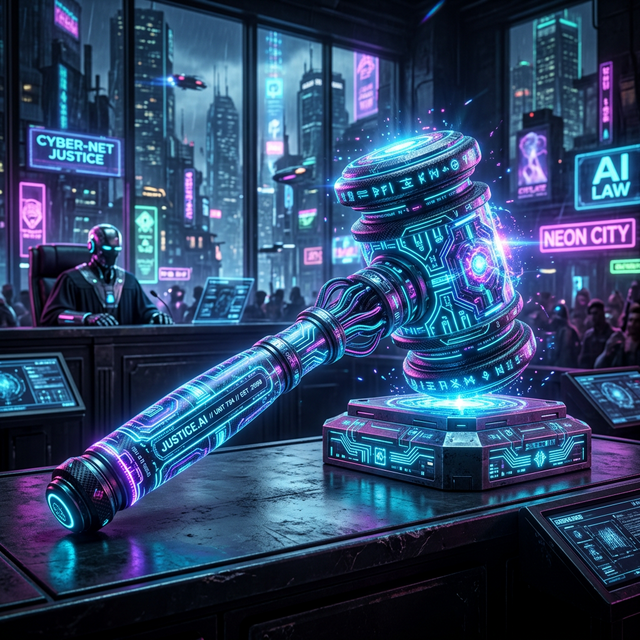
The rapid development of generative AI technology has maximized the efficiency of content creation, but at the same time, it has given rise to complex legal issues regarding the subject of copyright and whether commercial exclusive rights are recognized. As of 2026, judicial authorities and copyright ministries in major countries are specifying guidelines for AI creations, and key principles are being established to avoid legal disputes during commercial use.
1. Human creative contribution and scope of copyright recognition
The core tenet of global copyright-related organizations is that “the creator of a copyrighted work must be a human being.”
- Limitations of simple products: Results created solely by AI without specific human input (e.g. images or text output after inputting a simple prompt) are, in principle, excluded from copyright protection. This means that even if someone else uses the result without permission, legal defense based on copyright law may be difficult.
- Strategy to secure rights: In order to receive copyright protection, it must be proven that humans used AI output as raw material and added creative editing, arrangement, and retouching, or that AI was only used as a part of the creative process. A form of 'edited work' that combines human-written sentences with AI-generated sentences to create a unique flow is likely to be legally protected.
2. Precautions for commercial use: Infringement of third party rights
Because AI models learn from numerous existing data to produce results, there is a risk of unintentionally infringing on others' intellectual property rights (IP).
- Caution on use of famous trademarks and real people: Generating AI results and using them commercially by directly referencing a specific brand's logo, celebrity's face, or protected character design may constitute trademark and publicity rights infringement.
- Platform policy compliance: Major platforms such as YouTube and Google are strengthening the 'AI labeling mandatory' policy for AI-generated content from 2026. In particular, in the case of photorealistic AI video or audio, failure to specify this may result in disadvantages such as exposure restrictions or suspension of monetization.
3. Risk management guide for companies and individuals
We recommend that you follow the following checklist to run a safe and legal AI content business.
- Check the terms and conditions of the tool: When paying for the AI service you use (ChatGPT, Midjourney, Claude, etc.), be sure to confirm that commercial use rights are explicitly granted.
- Formalization of corrections and editing: Rather than copying and pasting (Ctrl+C & V) the AI product, establish a process to process it into a derivative work with 'human spice' by adding at least 30% of the user's unique perspective and information.
- Monitoring learning source transparency: Depending on regulations such as the EU AI Act to be promulgated in the future, companies may be required to prove the reliability of the data used to create content. Choosing an AI model that uses training data that is as transparent as possible is safer in the long run.
Conclusion: Become a creator who commands technology
AI is not the end of creativity, but a powerful starting point. The copyright system of 2026 is evolving to grant rights to those who use AI as a 'tool' to add unique human value, rather than to those who simply 'use' AI. If you are clearly aware of changing legal standards and engage in qualitative creative activities, AI will be the best partner that will help you explode your creative potential.
#AI Copyright #Commercial Use Guide #Generative AI Law #Content Protection #IT Trends #Intellectual Property Rights #2026 Digital Guide #Smart Work #AI Business #Creative Ethics